 RFQ
RFQ


Why Choosing the Right Fuel Station Matters
Fuel is often one of the largest operational expenses. Mismanagement can cause delays, increase costs due to external refueling, create safety hazards, and increase administrative burdens from untracked consumption. A correctly chosen fuel station addresses these challenges directly. For example, a construction company operating 50 machines across multiple sites can save hundreds of hours annually by strategically placing mobile fuel stations onsite instead of relying on public refueling points. Choosing the right station is therefore an investment decision that affects the entire business.Key Factors When Choosing a Fuel Station
Type of Fuel and Consumption Volume
The first step is to identify the type of fuel your business uses and how much is consumed. Each fuel type has specific storage and dispensing requirements:- Diesel: Common in construction and agriculture; requires careful storage to prevent contamination and gelling in cold temperatures.
- HVO (Hydrotreated Vegetable Oil): A renewable diesel alternative often used for sustainability goals; needs compatible pumps and digital monitoring systems.
- AdBlue: Used in modern diesel engines to reduce NOx emissions; must be stored in corrosion-resistant tanks at controlled temperatures. Requires frost-free storage and protection from sunlight to maintain quality.
- Petrol: More volatile and flammable than diesel or HVO, meaning storage and handling are subject to stricter regulations. Classified as Class 1 flammable liquid, it carries a high explosion risk if vapors accumulate.
- Biofuels (RME, biodiesel, ethanol blends, etc.): Climate-friendly alternatives increasingly used instead of fossil diesel. Treated as flammable liquids and regulated similarly to diesel and petrol.
Stationary vs. Mobile Fuel Stations
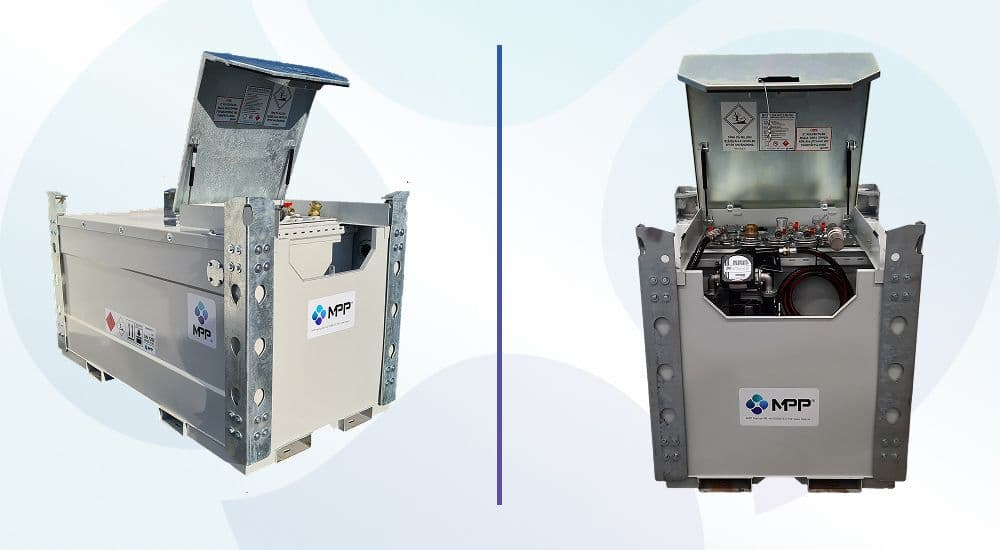
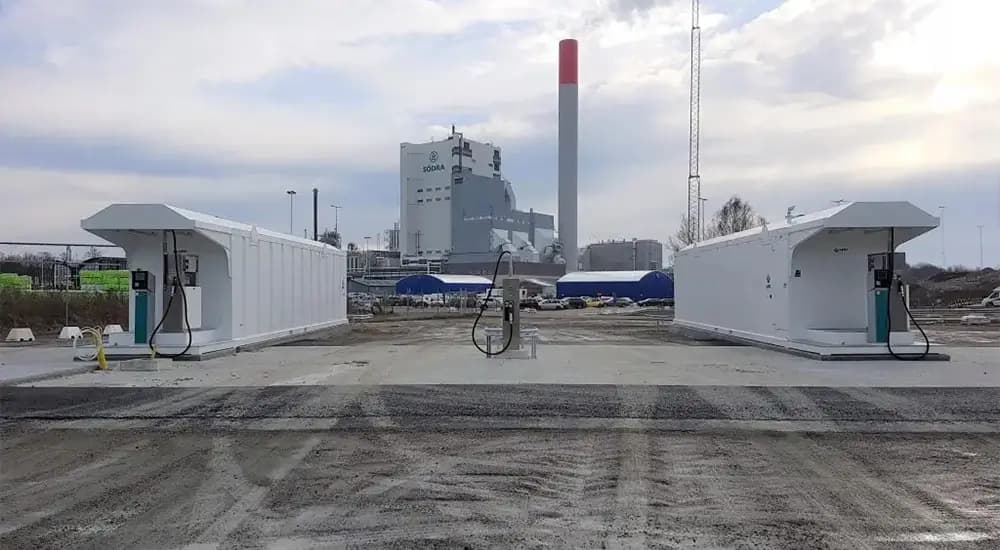
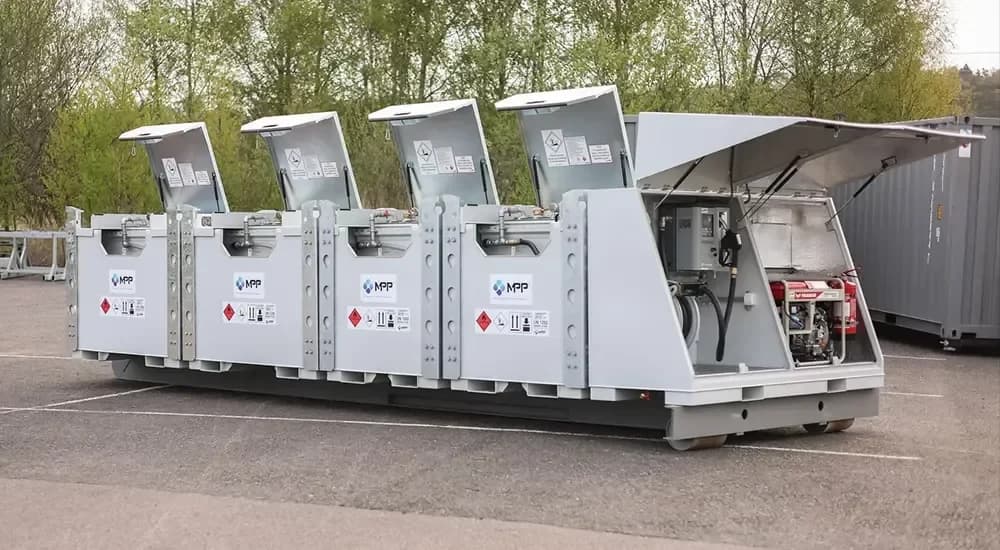
Stationary solutions are ideal for farms, workshops, or machine fleets in fixed locations. They provide consistent fuel dispensing, integrate with digital monitoring systems, and offer long-term durability. Stationary units are particularly beneficial for high-volume, repeated consumption, minimizing manual tracking and downtime. Mobile solutions are essential for companies with machines spread across large or remote areas, such as construction, forestry, or agriculture. Mobile units reduce the need for vehicles to travel to central refueling points, saving time, fuel, and labor. Case Example: A large agricultural company installed mobile units across five fields. This reduced downtime by approximately 120 hours per month and significantly cut fuel transportation costs. Explore our mobile solutions here.Tank Material
The choice of tank material affects safety, mobility, maintenance, and longevity:Steel Tanks:
- The safest choice for professional fuel storage.
- Durable in harsh climates, compliant with LBE and MSBFS 2018:3, approved for permanent storage with overfill protection and bunding.
- Requires scheduled inspections but provides maximum reliability and long service life.
Plastic Tanks:
- Often chosen where budget outweighs longevity and safety.
- Suitable for mobile use and short-term storage but rarely meets requirements for permanent storage, water protection zones, or certified environmental operations.
- Vulnerable to UV damage and limited in the types of fuels they can safely store.
Regulatory Compliance
In Sweden, fuel storage and transport are regulated under LBE (Flammable and Explosive Goods Act) and MSBFS 2018:3. ADR applies only to fuel transport in mobile tanks, not stationary storage. Stationary fuel stations over 1 m³ must be reported to the municipality and meet MSBFS 2018:3 standards, including overfill protection, bunding, and safety distances. Non-compliance can lead to fines, environmental cleanup costs, and operational disruptions. ADR-compliant solutions are mandatory for safe transport of hazardous liquids. Secondary containment usually needs to hold at least 100% of the tank’s volume, often 110–120% depending on local regulations and Naturvårdsverket guidelines. In water protection areas, stricter rules apply for tank placement, containment, and inspection intervals.Digital Monitoring
Modern stations should integrate digital systems for real-time consumption tracking. Benefits include:- Real-time monitoring: Prevents overuse and identifies irregularities.
- Automated alerts: Flags leaks or unauthorized access.
- RFID and automated pumps: Provide precise data and reduce manual errors.
- Cost analysis: Identifies savings opportunities and aids budgeting.
Safety and Operational Control
Common risks include fuel theft and unauthorized access. Security measures include overfill protection, locks, restricted access, and digital monitoring. These features protect assets and provide operational insights for planning.Common Mistakes
- Underestimating consumption → frequent refills and downtime
- Poor placement → increases risk of spills and theft
- Lack of security → greater theft risk
- No overfill protection → risk of environmental damage
- Ignoring digital monitoring → missed cost-saving opportunities
Checklist for Choosing a Fuel Station
- Type of fuel and storage requirements
- Daily or weekly consumption
- Need for mobility or fixed installation
- Tank material suitability
- Compliance with legal and environmental standards
- Integration with digital monitoring systems
- Operator training and service agreements