 RFQ
RFQ


Why Your Fuel Station Choice Matters More Than You Think
Choosing a fuel station is about more than just securing the best price per litre. It affects everything from operational efficiency and employee productivity to health and safety compliance and future-proofing against environmental legislation. A well-planned fuel station setup can significantly reduce operational delays, ensure safety, and support adherence to UK regulations regarding fuel handling and emissions.1. Understand Your Unique Business Needs
Before reviewing your options, it’s essential to assess the specific requirements of your business.What types of vehicles and fuel do you use?
Take stock of your fleet: are you operating HGVs, excavators, service vans, or a mix? Your fleet determines the type of fuel you’ll need – diesel, petrol, AdBlue®, or newer alternatives such as HVO (Hydrotreated Vegetable Oil), liquefied natural gas (LNG), or biogas (LBG). HVO, for instance, is gaining popularity in the UK as a cleaner diesel alternative.How much fuel do you consume?
Understanding your fuel consumption (daily, weekly, or monthly) is crucial. A small construction company with a few vans has different requirements compared to a logistics firm with dozens of HGVs. Your usage levels will influence pump flow rate (smaller setups may manage with 50 litres/min, whereas larger fleets require higher-capacity pumps) and the tank’s storage volume.Where will the fuel station be located?
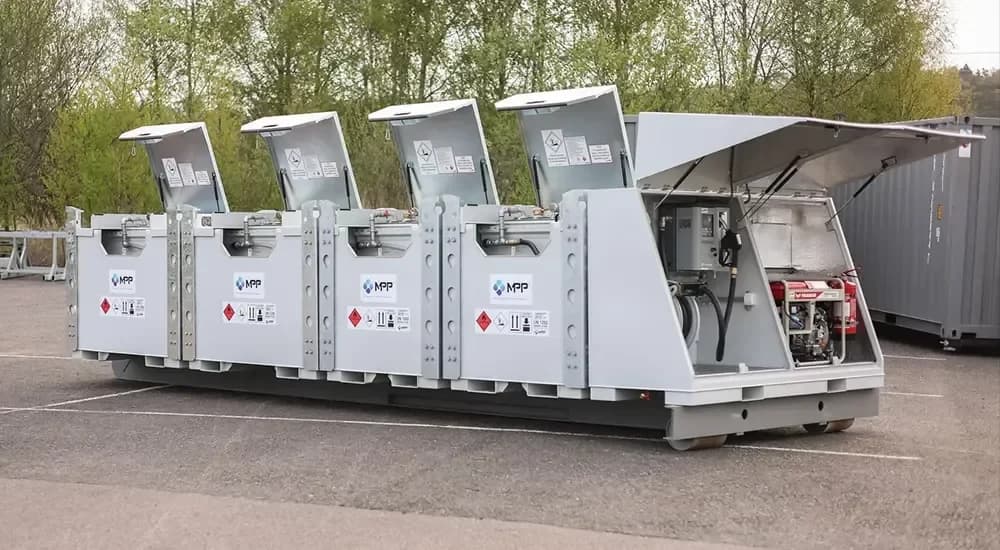
Do you need a fixed station at your depot, or a mobile solution that can be deployed to job sites or remote locations? Mobile tanks are ideal for businesses that operate across various sites, while a stationary solution is more efficient for companies with a central hub.2. Choose the Right Type of Fuel Station
Your business size and fuel consumption patterns will dictate the most suitable solution.Fixed Fuel Stations
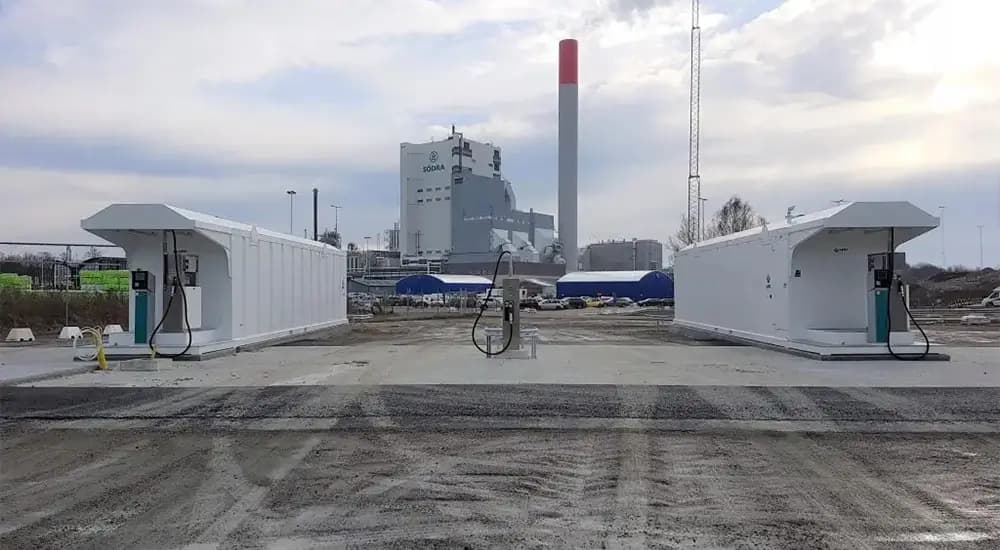
Ideal for large-scale fuel usage, these setups are permanently installed and capable of high-volume distribution. They often feature integrated systems for monitoring and reporting fuel usage – ideal for businesses looking to maintain tight control over operational costs. Note: In the UK, installation may require planning permission and must comply with environmental and safety standards (see Health and Safety Executive guidelines and EA/SEPA regulations).Mobile and Portable Fuel Stations
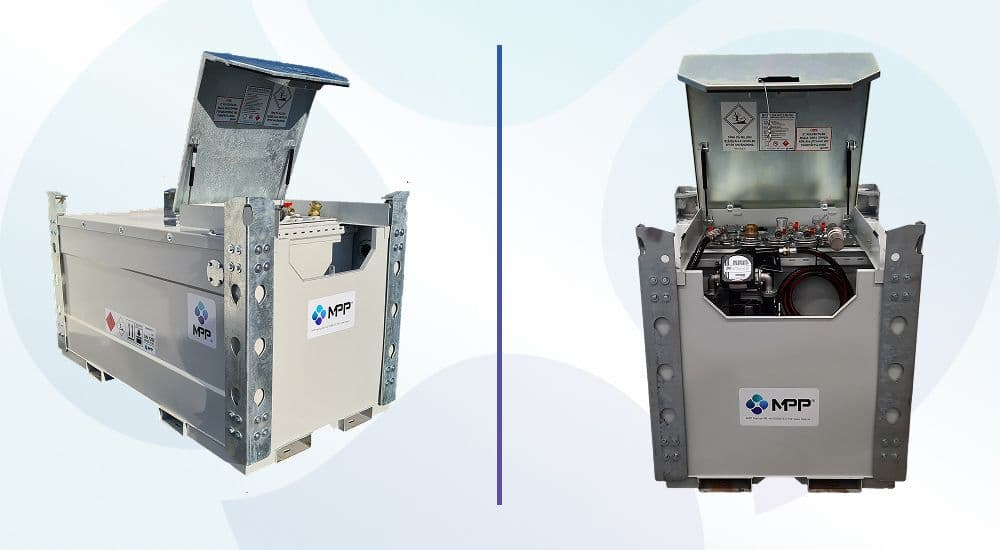
These are perfect for temporary or site-based operations such as construction projects or forestry work. Portable tanks are easy to transport, adaptable for different fuels, and can support fuel delivery in locations where infrastructure is limited.Automated vs. Staffed Stations
- Automated Stations: Self-service fuel stations are efficient and reduce labour costs. Businesses often favour these setups for their ease of integration with fleet systems.
- Staffed Stations: While less common in private business settings today, manned stations can still be relevant in environments where safety oversight or manual handling is essential.