
Logo
Products
  • Mobile Fuel Tanks
  • Stationary Fuel Tanks
  • Defence
View all Products
  • Aluminium Transport Tanks
  • Steel transport tank
  • TTC Fuel Farm
Reseller
Pickup tank flatbedPickup tank flatbedPickup tank double-walledPickup tank double-walledPickup tankPickup tank
ServicesCustomer casesIndustriesAboutContact
RFQ
DefenceReseller

News | Reading time: 5 minutes | December 11, 2025

Guide to Safe Diesel Storage

Diesel is an indispensable energy source in many areas – from agriculture and industry to backup

Innehållsförteckning

Legal Requirements and Permits for Diesel StorageStorage Location and Environmental ConsiderationsEquipment and Approved ContainersMaintenance, Inspection, and Fuel Shelf LifeSafety Measures and Fire RiskDocumentation and TraceabilityMPP’s Solutions for Safe Diesel StorageConclusion

Behöver du hjälp med ditt nästa projekt?

Prata med vårt team om rätt bränslelösning för din verksamhet.
Kontakta oss
Diesel is an indispensable energy source in many areas – from agriculture and industry to backup power for buildings and critical infrastructure. However, despite its usefulness, handling and storing diesel also involves significant risks. It’s not just about fire hazards, but also environmental impact, health risks, and legal obligations. To minimize these risks and comply with all legal requirements, it is essential that diesel is stored in a safe and proper manner. In this guide from MPP, we cover everything you need to know to ensure safe and legal diesel storage.

Legal Requirements and Permits for Diesel Storage

In Sweden, the handling and storage of flammable liquids, including diesel, is regulated by the Swedish Civil Contingencies Agency (MSB), the Swedish Work Environment Authority, and municipal environmental and fire services. Private individuals are allowed to store up to 10,000 liters of diesel without a special permit, as long as storage meets safety requirements. For businesses, farms, or other operations storing more than this amount, a permit is required from the municipality or fire department. This also applies if the diesel is divided across multiple tanks whose combined volume exceeds 10,000 liters. It’s also important to note that documentation requirements increase with the amount of fuel – businesses often need to present inspection logs, control reports, and fuel flow data during official reviews. For more information on legal requirements and permits, please visit MPP’s page on diesel storage regulations.

Storage Location and Environmental Considerations

Diesel must always be stored in a location designed to reduce the risk of fire, spills, and environmental pollution. This means the storage area must be ventilated, dry, and protected from direct sunlight. Indoor storage is subject to particularly strict rules. Only small quantities – typically no more than 10 liters per container – may be stored indoors in spaces with good ventilation and fire extinguishing equipment available. Larger quantities must be stored outdoors, where tanks must be placed on bunded surfaces at least 10 meters away from buildings and other flammable materials. The ground beneath the tanks should be impermeable, stable, and protected against leakage, and tanks must not be located near waterways or storm drains.

Equipment and Approved Containers

All diesel containers must be approved according to applicable standards. There are various options depending on storage needs. Portable plastic or metal containers are suitable for smaller amounts and temporary use, while stationary diesel tanks – often made of steel or high-density polyethylene (HDPE) – are the best choice for long-term storage. These tanks must be labeled with applicable hazard symbols and equipped with secondary containment such as bunding or built-in spill protection. Tanks must also be protected against overfilling, and any hoses and fittings must be secure and regularly checked. To prevent unauthorized access, all diesel tanks should be lockable. For examples of approved diesel tanks, see MPP’s diesel tank products.

Maintenance, Inspection, and Fuel Shelf Life

Diesel is an organic fuel that degrades over time. Under poor storage conditions – such as high humidity, temperature fluctuations, and inadequate ventilation – the fuel can deteriorate within just a few months. Common problems include water accumulation, algae growth, and oxidation, which can clog filters, damage machinery, and even cause operational shutdowns. Therefore, regular maintenance of both the tank and the diesel is crucial. Tanks should be inspected at least once a year for signs of rust, leaks, and sludge buildup. As a preventive measure, additives such as fuel stabilizers or biocides can be used to prevent microbial growth and extend diesel’s shelf life to 18 months or more under the right conditions. It’s also wise to keep the tank as full as possible to minimize air space and thus condensation.

Safety Measures and Fire Risk

Since diesel is flammable, it is important to follow all fire safety regulations. This means that type B fire extinguishers should be readily available where diesel is stored, and everyone handling the fuel should be trained on how to respond in the event of a fire or spill. If a spill occurs, you must be able to quickly stop its spread and absorb the liquid using absorbent materials. The area should be equipped with a spill collection system, especially when larger volumes of diesel are handled. It is also beneficial to have an emergency response plan that all employees are familiar with so that incidents are handled quickly and in a coordinated manner. Safety distances to buildings, vehicles, and other fuel sources must be maintained according to regulations.

Documentation and Traceability

An important aspect of safe diesel storage is proper documentation. For businesses, this means keeping a logbook of inspections, refills, repairs, and incidents. This documentation should be readily accessible during inspections by environmental authorities or fire services. Tank certificates, maintenance records, and any permits must also be kept up to date. By maintaining systematic documentation, a transparent and responsible storage system is established, facilitating inspections and minimizing the risk of fines or operational disruptions.

MPP’s Solutions for Safe Diesel Storage

At MPP, you’ll find a wide range of products specially designed for safe diesel storage. We offer MSB-approved diesel tanks in various sizes and materials, with integrated spill and fire protection. Our solutions include both mobile and stationary options, as well as accessories such as pumps, locks, level indicators, and overfill protection. In addition to products, we also offer advice on permit handling, installation, maintenance planning, and staff training. By choosing MPP’s expertise, you gain not only the right equipment but also the assurance that every aspect of your diesel storage complies with Swedish regulations. ~ Learn more about our diesel tanks

Conclusion

Safe diesel storage is not just about legal compliance – it’s about responsibility, risk reduction, and long-term sustainability. Whether you’re storing a few hundred liters or several thousand, it’s crucial to understand the full picture: from selecting the right equipment to ongoing maintenance and documentation. By following the guidelines in this guide and working with an expert partner like MPP, you ensure that your operations are safe, compliant, and efficient. Have questions or need help finding the right solution? Contact our team at MPP for advice and a quote.

Dela artikeln:

Behöver du hjälp med ditt nästa projekt?

Prata med vårt team om rätt bränslelösning för din verksamhet.
Kontakta oss

Missa inte dessa

NewsMarch 2026

Rent or Buy a Fuel Station

Rent or buy a fuel station? Explore cost, flexibility, ROI, and EU compliance considerations to choose the right fuel solution for your business.
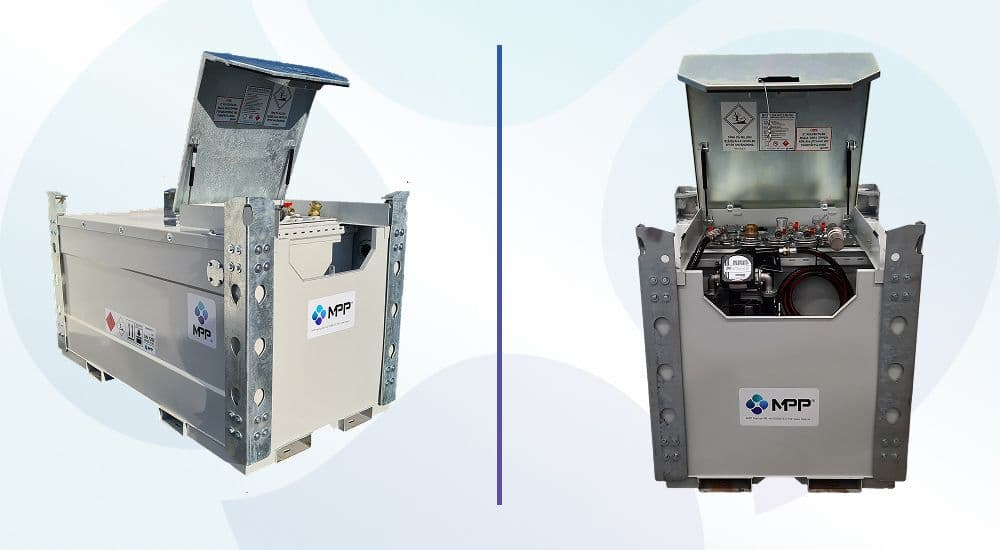
Rent or Buy a Fuel Station
NewsFebruary 2026

Benefits of Having a Fuel Station at the Workplace

Discover the benefits of having a fuel station at the workplace. Efficient fuel management, safety, and cost savings for agriculture and construction companies.
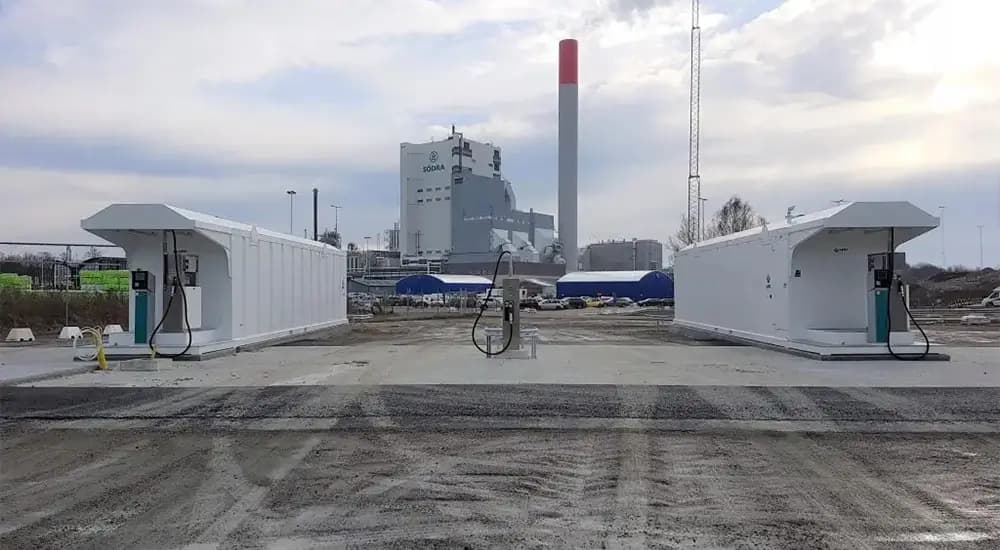
Benefits of Having a Fuel Station at the Workplace
NewsDecember 2025

Farmer tank – A Smart Investment for Farming

Introduction: Why a Farmer tank Is Your Best Investment for Farming.
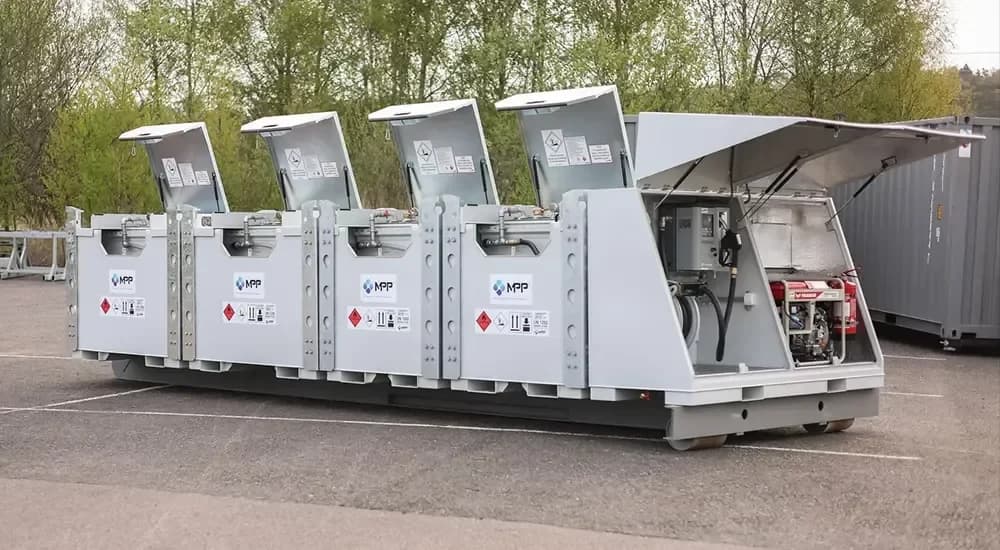
Farmer tank – A Smart Investment for Farming

Get Started

Ready to find the right fuel solution for your operation?

Get in touch with us
  • Mobile Fuel Tanks
  • Stationary fuel tanks
  • Defence Products
MPP

Quick Links

  • Services
  • About us
  • Customer cases
  • News & Blogs

Support

  • FAQ mobile tanks
  • FAQ cisterns
  • Certifications

Contact

Fjärås industrial road 17, 439 74 Fjärås, Sweden

Call: +46 300 521 930

Mail: kontakt@mpp.se

Follow us

Copyright 2026 © MPP. All Rights Reserved.

Terms & ConditionsPrivacy policyCookie policy